The short version
Around La Crosse, queens start nests in May, and colonies peak in late summer. Small, low paper wasp nests can be handled at dusk. Leave wall, ground and high nests to a pro.
- Treat nests at dusk, when wasps are home.
- Never seal a hole wasps are using.
- Ground and wall nests are best left to a pro.
- Knock down small nests early in spring.
- Call 911 for breathing trouble after a sting.
Anyone in La Crosse dealing with wasps, hornets or yellowjackets at home.
What to look for
Near a door or deck, stings will happen. Late-summer colonies are big and quick to sting. Wasps defend the area around their nest.
- 1Yellowjackets crowding trash cans, soda cans and pet food.
- 2Yellowjackets streaming from the ground after mowing or trimming.
- 3Multiple stings on one person during a single outdoor task.
- 4Dead wasps collecting on interior windowsills in late summer.
- 5Wasps appearing indoors near light fixtures or windows.
- 6Steady wasp traffic in and out of one soffit gap.
Why it’s worth acting soon
- Nests grow all summer.
- Ground nests get disturbed by mowing.
- Wall nests can chew through into rooms.
- Stings are dangerous for anyone allergic.
Treatment options and typical costs
Inspection and Nest Identification
$75–$200
A pro starts by confirming the species and the nest location. Paper wasps, hornets and yellowjackets each call for a different approach.
- Time
- 45–75 minutes
- Best for
- Every job; species and nest location decide the method
Ground and Wall-Void Nest Treatment
$150–$500
Ground nests can hold thousands of yellowjackets by late summer. Mowing over one sets them off. Treatment is done in protective gear, usually at dusk.
- Time
- 30–60 minutes plus a return visit
- Best for
- Yellowjackets in lawns, retaining walls, soffits and wall voids
Sealing Up After the Nest Is Dead
$150–$450
Ask the La Crosse pro to wait at least a few days after a dust treatment before closing anything. Sealing too early is how most void jobs go wrong.
- Time
- 1–2 hours
- Best for
- Sealing soffits, vents and gaps after a wall nest has died
Preventive Spring Treatment and Follow-Up
$150–$400
Preventive work makes the most sense for La Crosse homes that have had nests two years running, or where someone has a sting allergy. It is a modest cost compared with a wall-void job.
- Time
- 45–90 minutes
- Best for
- Homes with repeat nests or a sting allergy in the household
Prices are typical published ranges. Ask what’s included before you compare quotes.
 Once a nest is dead, screening and sealing gaps around pipes and vents keeps next year's queen from using the same opening.
Which wasps live around La Crosse.
Bald-faced hornets build big gray nests in trees and eaves. European hornets live in Wisconsin too. They're large, fly at night, and nest in hollow trees. Mud daubers build tube-shaped mud nests. They rarely sting. Paper wasps are the most common around La Crosse. They build open, umbrella-shaped combs under eaves and railings. Eastern yellowjackets nest in the ground and in wall voids. They cause most stings.
Local wasps conditions in La Crosse.
An inspection in La Crosse usually starts outside and works inward, checking the foundation, gaps around doors and windows, and any moisture or clutter near the structure first. Knowing La Crosse's seasonal timing lets you schedule treatment before the busy stretch rather than after it, which usually means faster service and a more accurate quote. A provider who works La Crosse and Wisconsin every day can point out the specific conditions that matter most here, and getting the scope, price, and follow-up terms in writing makes it easier to compare options. La Crosse sits in a humid continental climate, and that sets the pace for wasp activity here: mid-summer through fall (July-October). For La Crosse homes, the area is mostly suburban, so wasps pressure can differ from one block to the next depending on how tight the entry points are and how much food, water, or shelter is close by.
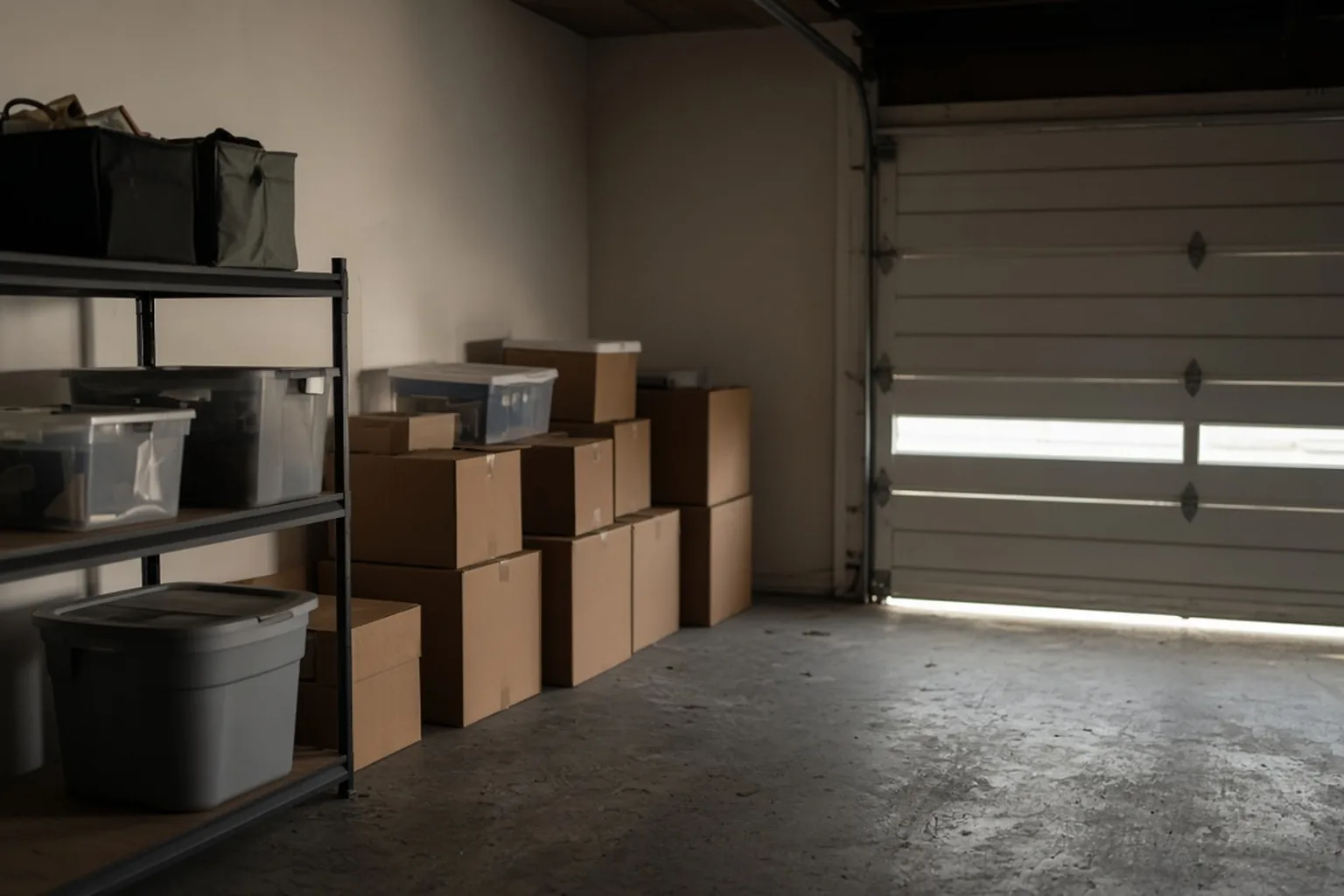 Paper wasps like quiet, sheltered corners. Check garage rafters, door tracks and high shelves in spring for small starter combs.
When they’re most active.
Nests die back after the first hard freeze in fall. Early spring is the easiest time to remove small starts.
Where they nest around houses here.
Watch for traffic in and out of gaps. A ground nest looks like wasps streaming from one hole. Plenty of homes in La Crosse have basements, but most nests are higher up. Check eaves, attic vents and window frames.
A year of wasps in La Crosse.
- Summer: highs near 84°F in La Crosse help colonies grow fast. - Late summer: peak season. Workers hunt sweets near people. - Winter: lows near 9°F in La Crosse. Nests die; only queens survive. - Spring: queens start new nests around May. Knock down small starts.
Wasp, hornet or bee?
- Yellowjacket: bright yellow and black, nests in the ground. - Hornet: larger, with a big closed paper nest. - Mud dauber: thin waist, mud tube nests. Rarely stings. - Honey bee: fuzzy and golden. about relocation. - Paper wasp: slim, long legs, open comb.
If you get stung.
An antihistamine can ease itching and swelling. 911 for trouble breathing or a swollen face or throat. If someone carries an epinephrine pen, use it. Move away from the nest first. Wash the sting and use a cold pack.
Keeping wasps away from the patio.
- Trash: keep lids tight and bins away from doors. - Fruit: pick up fallen fruit. - Spring checks: knock down small nests early. - Gaps: seal gaps after a nest is gone. - Food: cover plates and drinks outdoors.
Ground nests: what to do.
Don't mow over it. Don't pour gasoline or water in. Pros treat ground nests at night, when the colony is home. Mark the hole with a flag. Keep kids and pets away.
A nest, or just visitors?
Watch at dusk, when they fly home. Follow the line back to an eave, vent, shrub or hole. Wasps on flowers or trash cans may come from far away. A nest shows steady traffic to one spot.
Treating a small nest yourself, safely.
- Never if anyone in the house is allergic. - Wait until dusk, when wasps are home and slow. - Wear long sleeves, pants and gloves. - Use a jet wasp spray from several feet away. - Never spray from a ladder. - Leave it overnight, then bag the nest. - Only if it’s small, low and out in the open.
Wasps and pets.
your vet if the throat swells or breathing changes. Keep pet food and water bowls indoors in late summer. Dogs often snap at wasps and get stung on the face. Most stings just swell a little.
Kids and wasps.
Check play sets, slides and playhouses for nests each spring. Use cups with lids for sweet drinks outside. Teach kids to walk away calmly. Swatting makes a sting more likely.
After the nest is gone.
Check nearby eaves for new starts. Knock down small new nests early next spring. Wasps don't reuse old nests. Seal the gap a wall nest used once it's quiet.
Wasps at picnics and barbecues.
- Food: keep it covered until you eat. - Trash: bag scraps and close the bin. - Calm: don’t swat; slowly move away. - Kids: teach them to walk away calmly. - Drinks: use cups with lids or straws.
Ground nests in the lawn.
Watch for wasps flying in and out of the grass. Mark it, and keep mowers and kids away until it's treated. Yellowjackets often nest in old rodent holes.
Questions to ask before you sign.
- How will you treat a nest inside the wall? - Is removal of the dead nest included? - Is a return visit included? - What kind of wasp is it?
What affects the price
- Colony size, which climbs sharply from June to September.
- Ground nest with multiple entrances or deep burrows.
- Return visit to confirm a void nest is dead.
- Sting allergy in the home requiring extra precautions.
- Roof pitch and safe access to the nest location.
- Whether nest removal is included after treatment.
📊
What's your biggest concern about wasps?
When to call for help
Don't seal a hole wasps are using. They'll find another way in. Call for nests in walls, attics, the ground, or anywhere high. right away if anyone in the house is allergic.
What you can do yourself
A small, reachable paper wasp nest is a fair DIY job. Spray it at dusk with a wasp aerosol. Knock it down the next day. Big, high or hidden nests are a job for a pro.
Wasps in La Crosse
With summer highs near 84°F in La Crosse, colonies grow fast and are biggest by August. Winter lows near 9°F in La Crosse end the season; only new queens survive, tucked into sheltered spots. In La Crosse's neighborhoods, eaves, decks, play sets and shrubs are favorite nest sites.
Local research
Wasps in La Crosse, WI: what the public record shows
Before you compare quotes, it helps to know which wasps actually live in Wisconsin, when they are busiest around La Crosse, and what the state figures look like. Everything below links to the agency or university page it came from.
Wasp species recorded in Wisconsin
- Bald-faced hornet (Dolichovespula maculata) — Penn State: 'found in most of the 48 contiguous states and D.C., throughout Canada and in Alaska'; actually an aerial yellowjacket that builds the football-shaped gray paper nes…
- European hornet (Vespa crabro) — Penn State: 'first detected in the 1840s', 'well established in the eastern United States', 'first reported from Arkansas in 1999'; workers 'up to an inch (25 mm) long', nests '…
- European paper wasp (Polistes dominula) — Penn State: 'first reported in 1978 around Boston', now 'coast to coast ... although they are apparently less common in the Southeast and Great Plains'; nests in 'eaves of struc…
- Native paper wasps (Polistes spp. (e.g., P. fuscatus, P. apachus, P. exclamans)) — Open umbrella-shaped nests under eaves, porch ceilings and railings. UC IPM: paper wasp colonies 'vary between 15 to 200 individuals'; Penn State: queens 'establish nests in May…
When wasps are busiest around La Crosse
Queens emerge in April–May, colonies peak August–October, and workers die at the first hard frosts; only new queens overwinter (OSU, Penn State, UMN).
Bald-faced hornet range per Penn State covers most of the 48 contiguous states and D.C. European hornet is established across the eastern United States (Penn State).
Rules that apply in Wisconsin
For context, nationally
- 788 — Deaths from hornet, wasp, and bee stings, 2011–2021 (US). CDC MMWR
- 72 deaths per year — Average annual sting deaths, 2011–2021 (US). CDC MMWR
Sources: CDC MMWR; Baldfaced Hornet; European Hornet; European Paper Wasp; Yellowjackets and Other Social Wasps (Pest Notes). Figures are quoted as the source prints them. How we check our sources
Simple ways to keep wasps away
- Store pet food indoors and clean bowls after meals.
- Hang wasp traps at the yard edge, not the patio.
- Check sheds and garages for nests each May.
- Fill gaps in retaining walls and stacked stone.
- Repair torn window screens and door sweeps.
 For a nest in the ground or a wall, a pro treats the entrance and checks back to make sure the traffic has stopped before anything is sealed.
Did you know?
Some paper wasps can tell their nestmates apart by their faces
Mud daubers stock their nests with paralyzed spiders
Questions people ask
Can wasps damage my house?
Rarely by much. Yellowjackets in walls can chew through drywall. Carpenter bees do more wood damage.
Should I be worried about a nest in the ground?
Yes, if it's near a path or play area. Ground nests are usually yellowjackets. Mowing over them sets them off.
How long does wasp nest removal take?
Usually under an hour. Hidden nests may need a second visit a few days later.
What time of day should a wasp nest be treated?
At dusk or after dark, when they're home and calm.
How do I know if I have wasps, hornets or yellowjackets?
Paper wasps build open, umbrella-shaped combs. Yellowjackets nest in the ground or walls. Hornets build big, gray, closed nests.
Do wasp traps actually work?
They catch some foragers but rarely solve a nest problem. Find and treat the nest itself.
How often should you check your property for wasp nests?
Every week or two from spring through late summer. For La Crosse homes, look under eaves, decks, sheds and play equipment, where small nests are easy to deal with.
Are hornets common in La Crosse?
Bald-faced hornets are, in trees and on eaves.
Nearby cities
Related guides
Sources (9)
The facts in this article come from the public sources listed above. Every home is different, so ask the company you talk to about pricing and what’s included. Published by Wasp Exterminator · Updated September 11, 2026 · How we write these guides