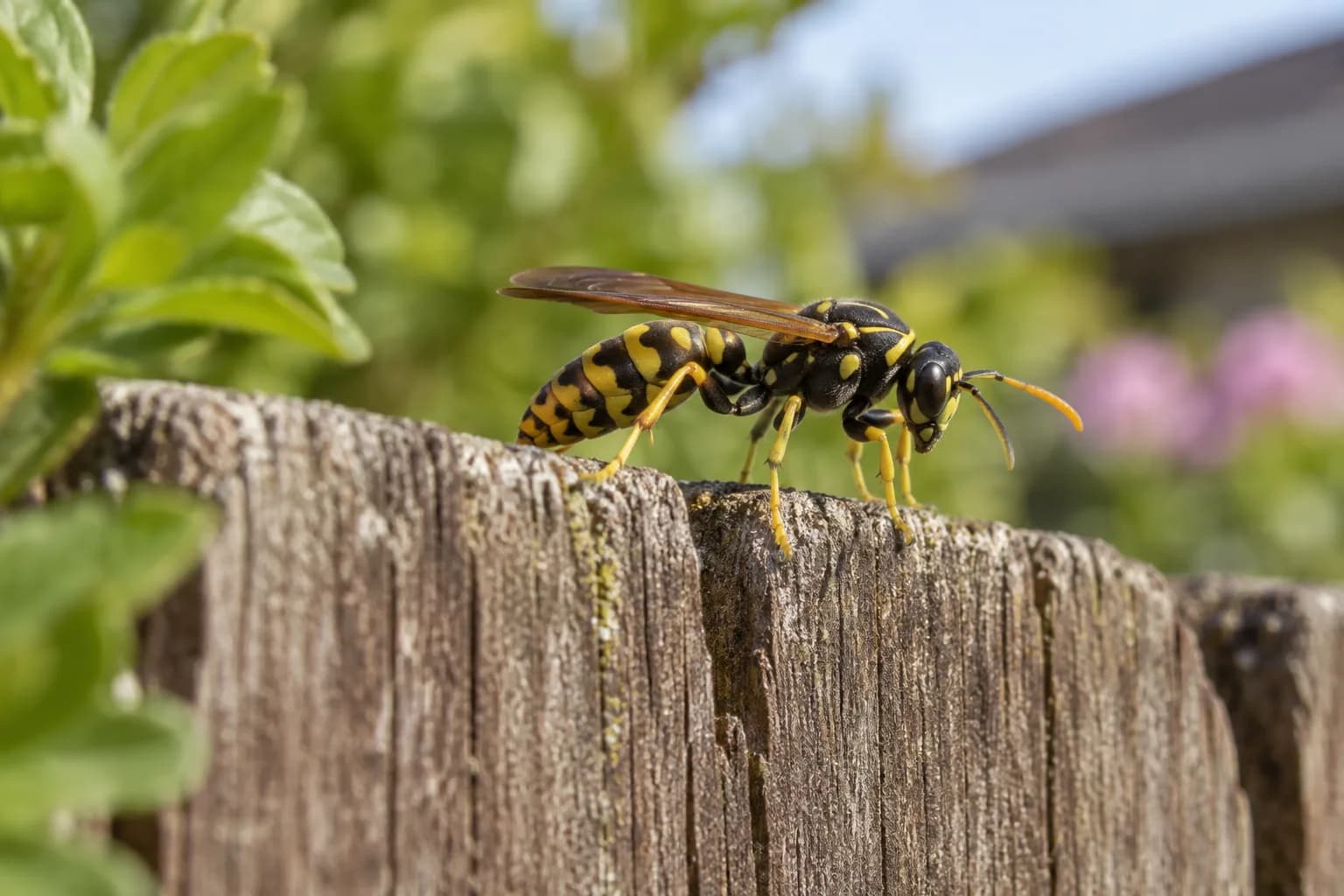
A closer look

Wasp Nest Removal

Paper wasp combs under eaves, hornet nests in trees and shrubs, and nests in sheds or attics. The nest is treated, usually at dusk, and taken down once the colony is dead.

Ask a question or get a quote ↗
Wasp Nest Removal

Where to start

Tell the company where you've noticed wasps, how long it has been happening, and anything you've already tried. Photos and a short timeline give the inspector a useful starting point.

What to discuss during the inspection

Ask which areas need checking, what was found, and which treatment options fit. Have the inspector explain how to prepare and what follow-up may be needed.

What affects the quote

Access to the affected areas, how far the problem has spread, and the number of visits all affect the work involved. Ask what is included so you can compare the options.

Questions to ask before you book

How do you confirm it's wasps?

Ask what the provider saw and how that diagnosis was reached before any work is authorized.

What will you do, and why?

Have the provider explain each step, the products used, and why that approach fits this property.

What preparation do I need?

Clear access to the affected areas and follow any written preparation and re-entry instructions.

What does the price include?

Confirm inspection fees, the number of visits, and any follow-up or warranty terms in writing.

What to look for

A line of wasps into one spot

Wasps flying in and out of the same hole in the lawn, gap in the siding or vent all day means a colony is behind it, even if you never see the nest.

Gray paper under eaves or in shrubs

An open, umbrella-shaped comb under a porch roof is paper wasps. A closed gray ball with one opening near the bottom, in a tree or under an eave, is hornets or aerial yellowjackets.

Buzzing in a wall or ceiling

A soft buzzing behind drywall or wasps turning up indoors near a light fixture can mean a nest in a wall void or attic. Don't seal the outside hole; that can push them inside.

When it happens through the year

spring

Queens wake up and start new nests alone, so a small comb under the eaves is easy to knock down now.

summer

Colonies grow fast, and ground nests start to show up when someone mows over them.

fall

Nests are at their largest and yellowjackets go after sweets and meat, so expect them at picnics and trash cans.

winter

In most areas the colony dies off and only new queens survive in sheltered spots, but in the warmest parts of the South some yellowjacket colonies keep going.

Frequently asked questions

How can I tell a wasp from a bee?
Wasps are smooth and shiny with a narrow waist. Bees are fuzzier and rounder, and honey bees are golden brown rather than bright yellow. Wasps build gray paper nests or fly into a hole; a hanging cluster of bees with no paper is a swarm, and a local beekeeper may collect it.
Can I remove a wasp nest myself?
A small, open paper wasp comb you can reach from the ground is often fine to treat yourself at dusk with a labeled wasp spray, as long as nobody at home is allergic to stings. Ground nests, nests in walls, hornet nests and anything you'd need a ladder for are safer with a pro.
How much does wasp nest removal cost?
Published ranges for a single nest commonly run about $100 to $600. An easy exposed nest sits at the low end, while nests in walls, in the ground or high up cost more. Ask whether the price includes taking the nest down and a follow-up check.
Why shouldn't I plug the hole wasps are using?
The wasps inside are still alive. With the entrance blocked, they look for another way out, and that's often into the house through an outlet, light fixture or vent. Treat the nest first, wait until the traffic stops, then seal the gap.
Will wasps come back to the same nest?
No. Old nests aren't reused. But a sheltered eave, vent or burrow that suited one queen will often attract another next spring, so fix the gap and check the same spots early in the season.
Does homeowners insurance cover wasp removal?
Usually not. Most policies treat pest control as routine maintenance. Check your own policy, and if you rent, ask your landlord, since many leases make the owner responsible for pest control.

Related services

Ready to talk to a provider?

Describe what you've noticed and ask about an inspection or a quote.

Ask a question or get a quote

Ready to Get Rid of Wasps?

Tell us what you’ve noticed and where you need help. Ask about an inspection or a quote.

Or call +1 888 546 7983 to talk about your pest problem.