Around Utah
Conditions vary across the state. Choose your city below, then describe what’s happening around your home or business.
Local wasp information
Learn what to look for around your property, explore your city, and ask about an inspection or a quote.
Conditions vary across the state. Choose your city below, then describe what’s happening around your home or business.
Where you see wasps, how long it has been going on, and anything you’ve already tried are the most useful details to mention.
Ask about an inspection, what treatment would involve, and whether follow-up visits are included. You don’t need to identify the problem yourself before getting in touch.
Before you compare quotes, it helps to know which wasps actually live in Utah, when they are busiest, and what the state figures look like. Everything below links to the agency or university page it came from.
USU: western yellowjacket 'queens start new every spring; colonies grow throughout the summer months'; 'Colony dies off every fall; fertilized queens overwinter'; they 'scavenge in fall making outdoor events dangerous'.
USU: western yellowjacket 'Nests pose a serious health risk to humans'.
Sources: CDC MMWR; Yellowjackets and Other Social Wasps (Pest Notes); Baldfaced Hornet; European Paper Wasp. Figures are quoted as the source prints them. How we check our sources
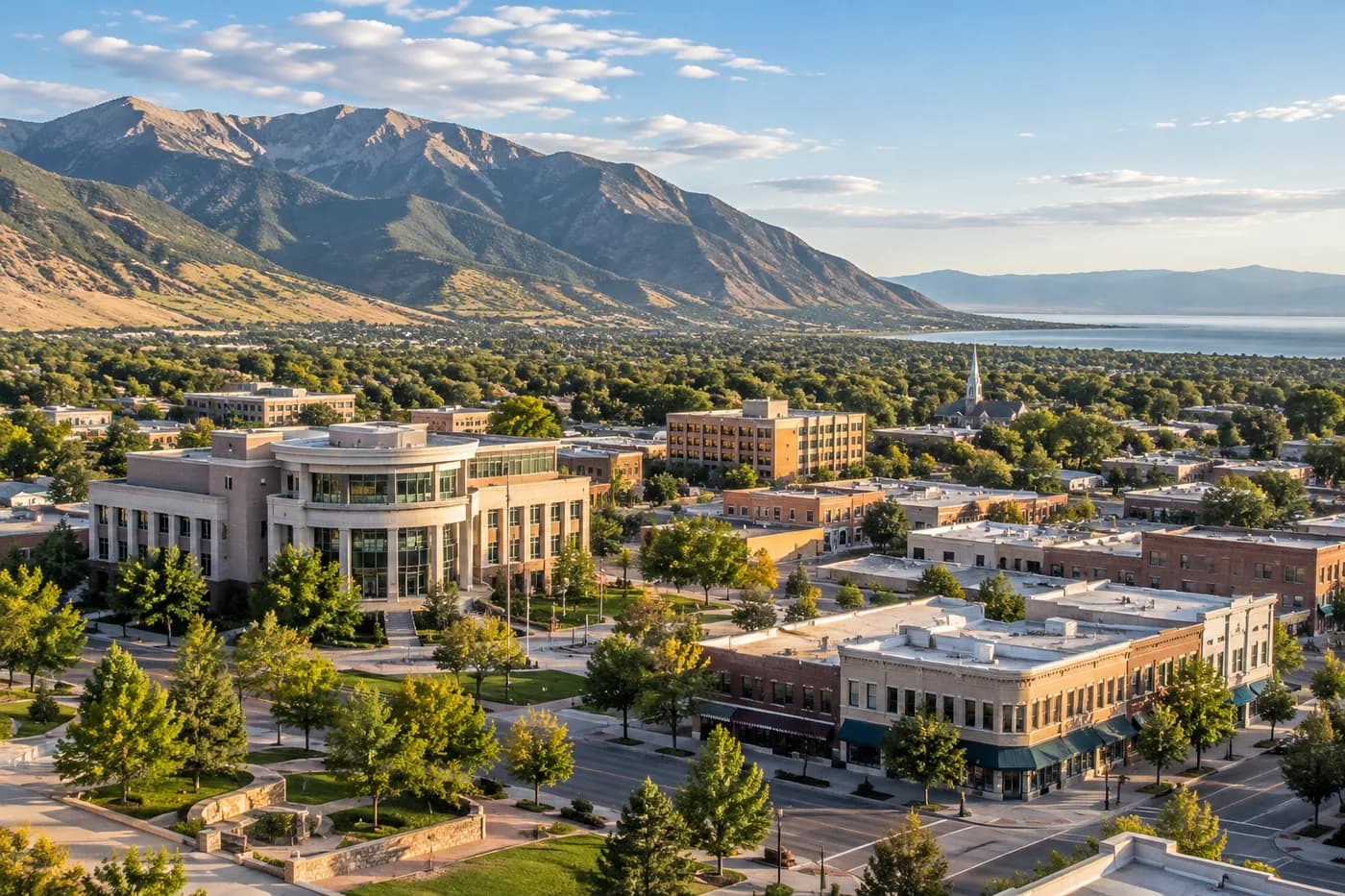
Semi-Arid Continental · suburban setting
Read the local guide →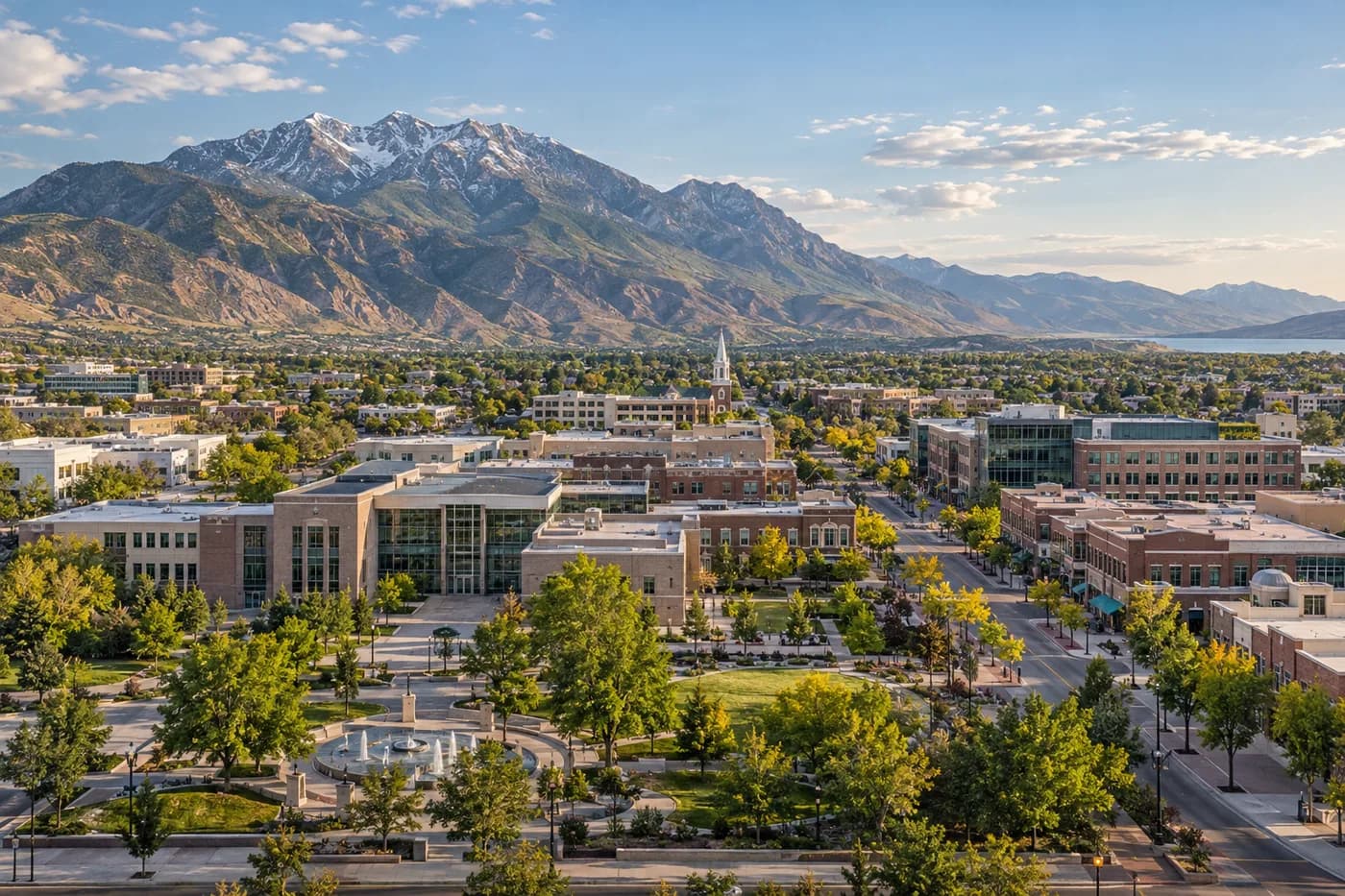
Semi-Arid Continental · suburban setting
Read the local guide →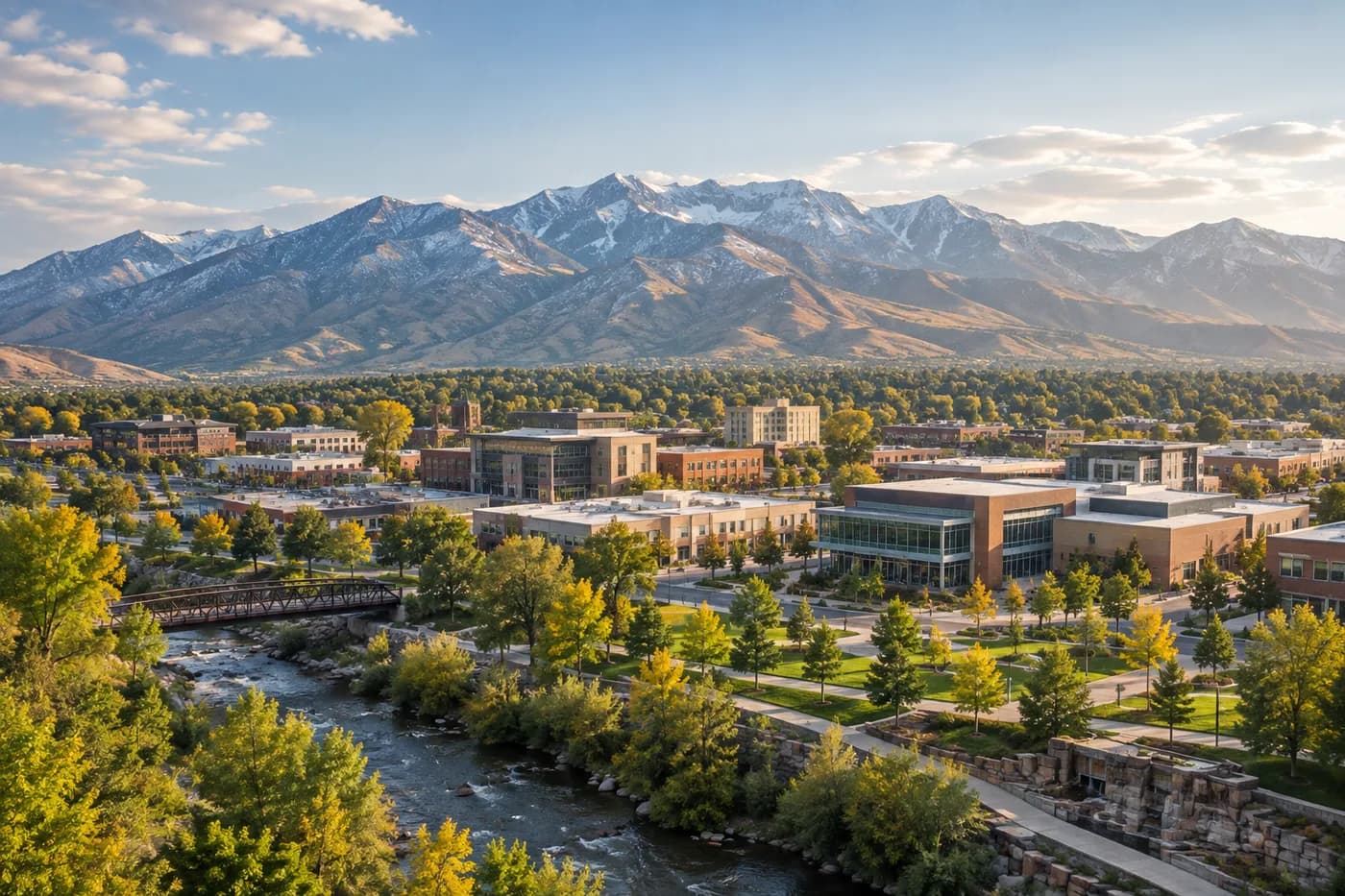
Semi-Arid Continental · suburban setting
Read the local guide →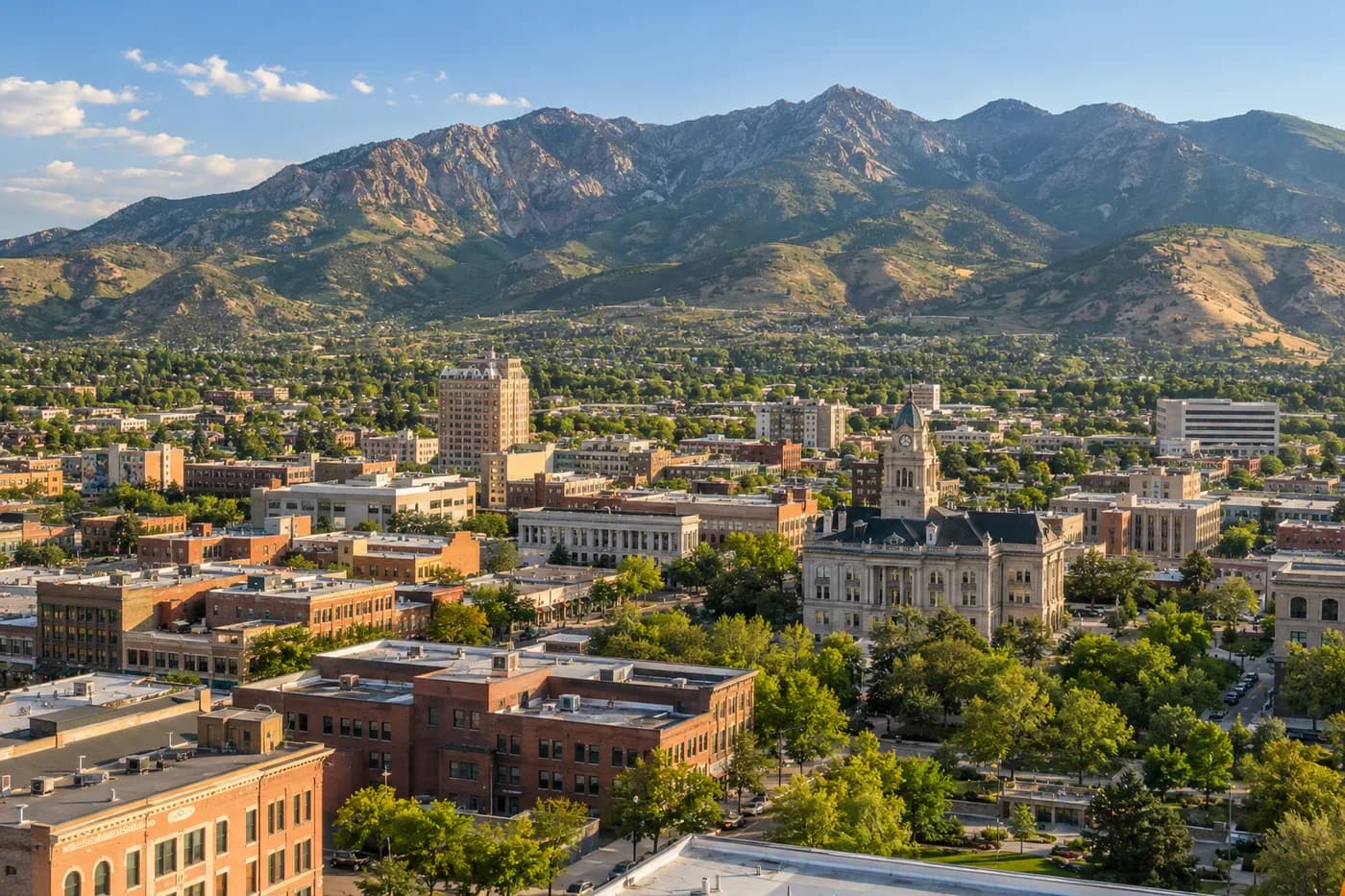
Semi-Arid Continental · urban setting
Read the local guide →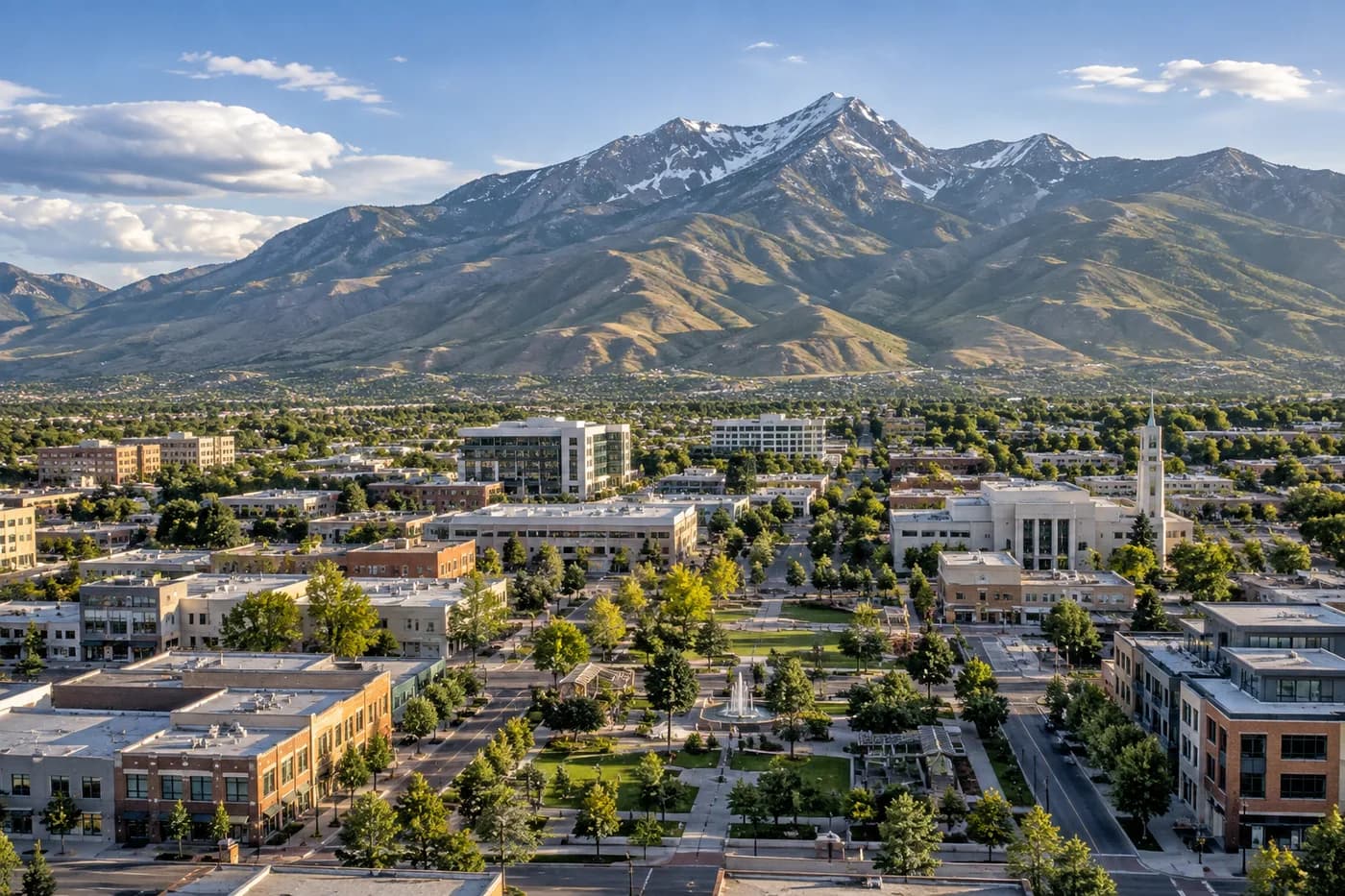
Semi-Arid Continental · urban setting
Read the local guide →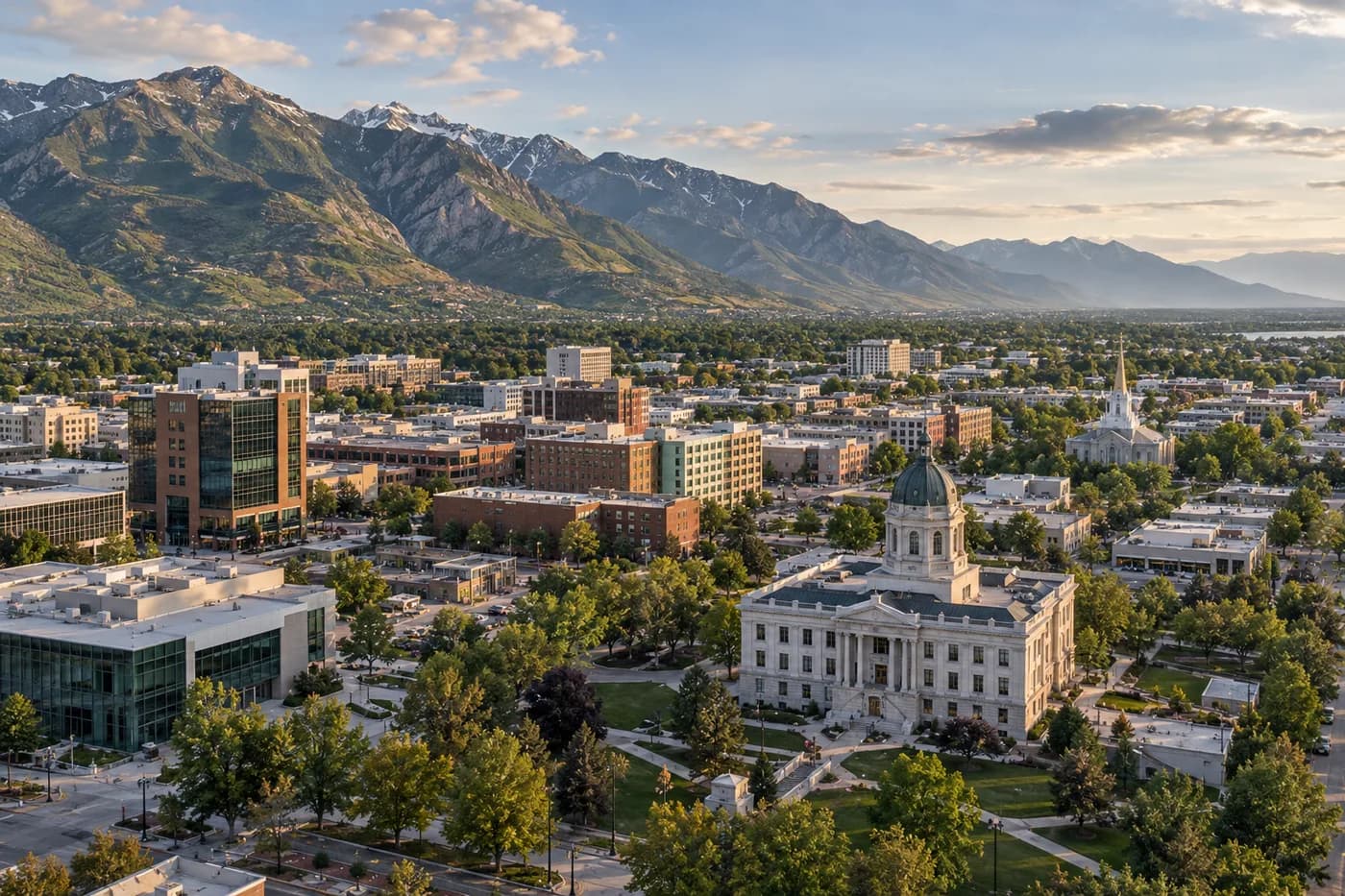
Semi-Arid Continental · urban setting
Read the local guide →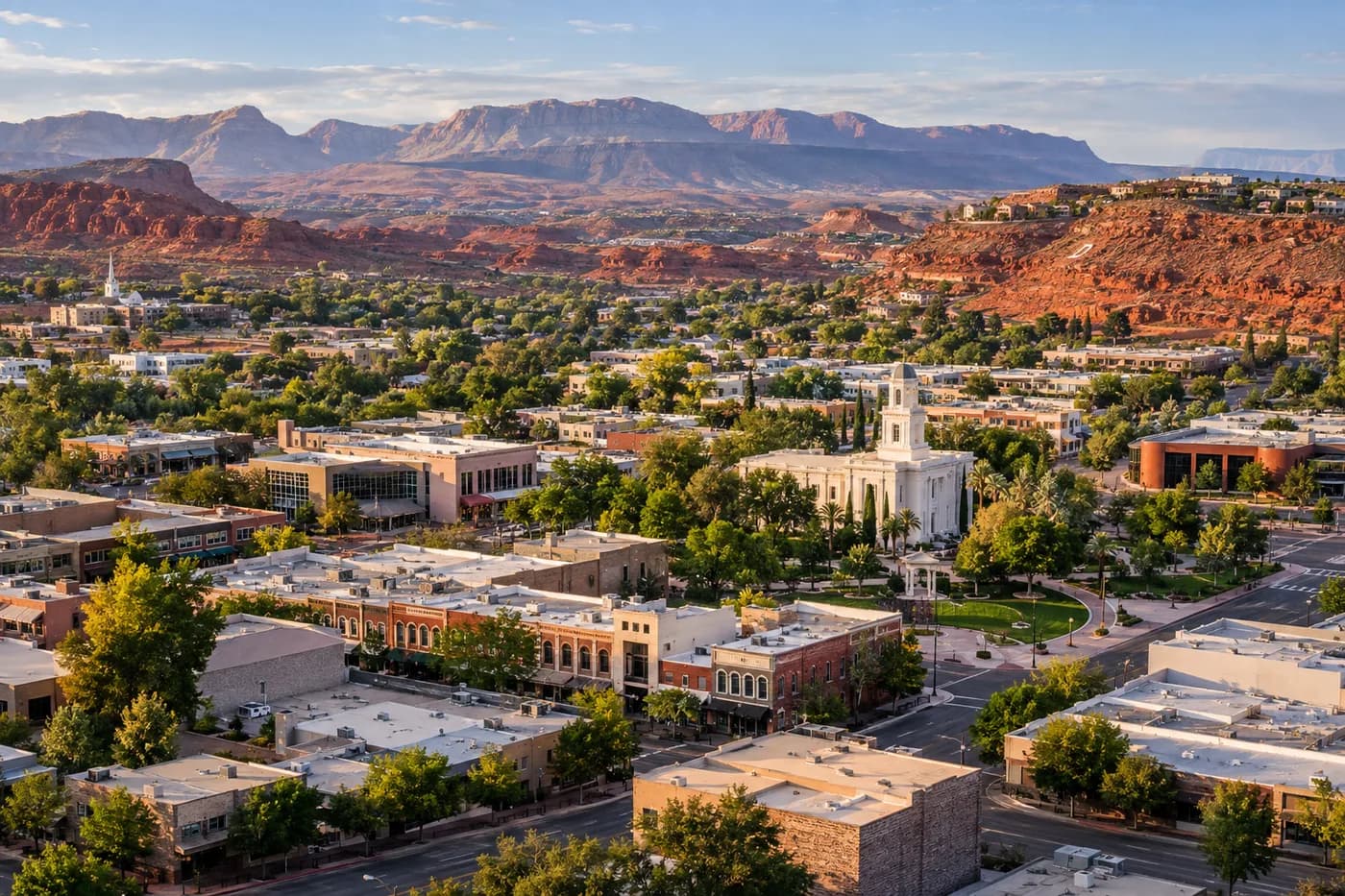
Hot Desert · suburban setting
Read the local guide →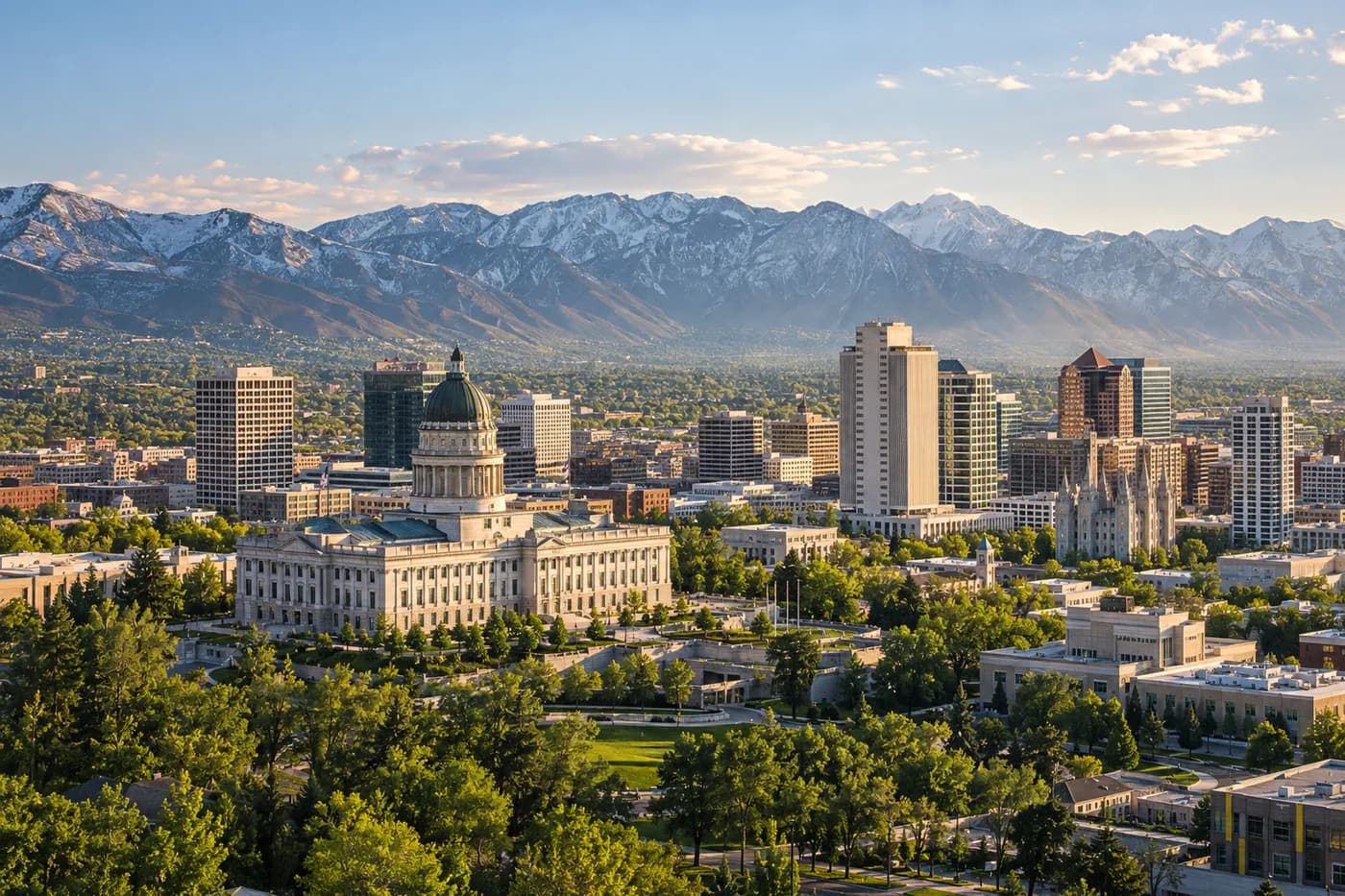
Semi-Arid Continental · urban setting
Read the local guide →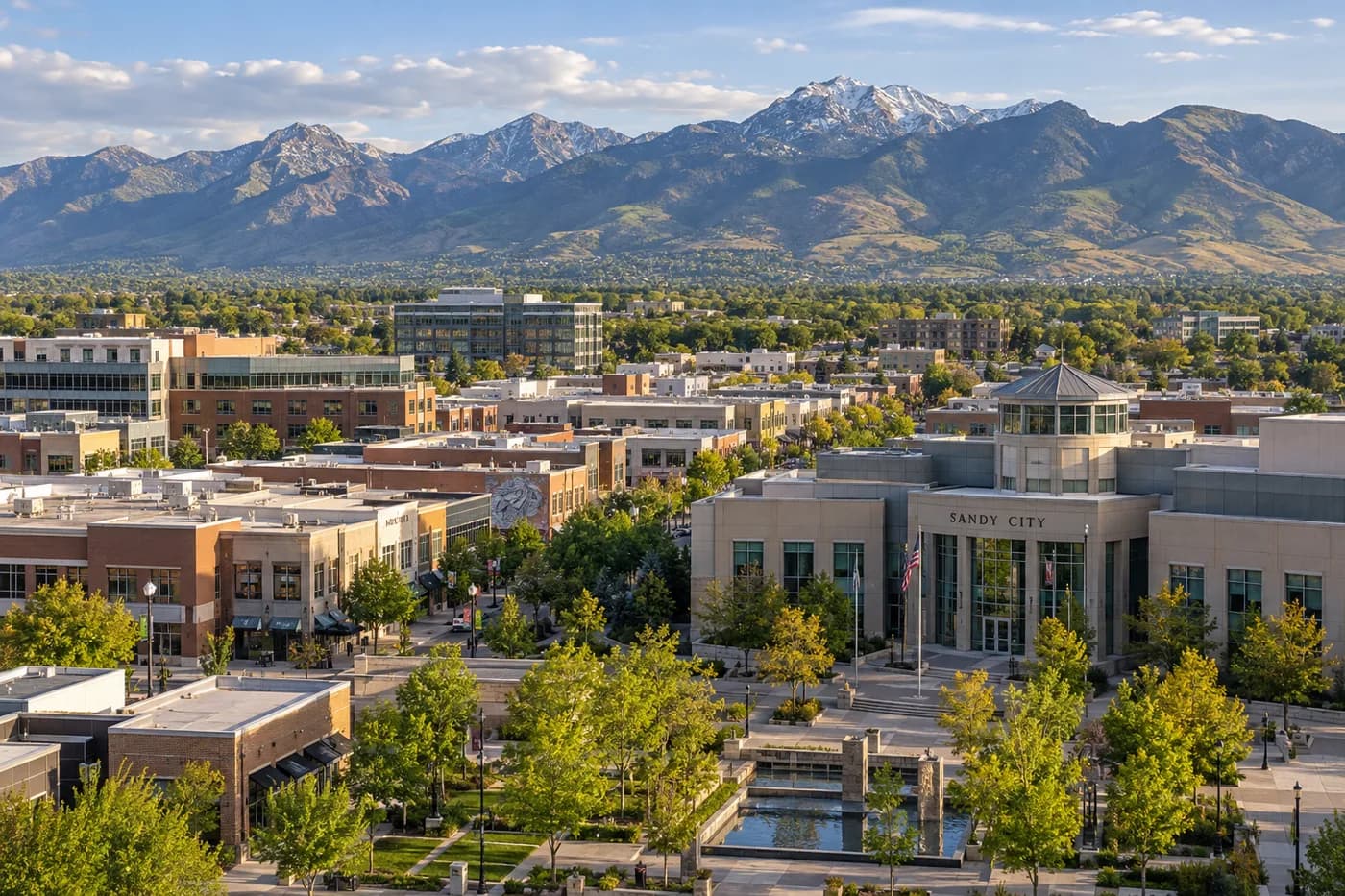
Semi-Arid Continental · suburban setting
Read the local guide →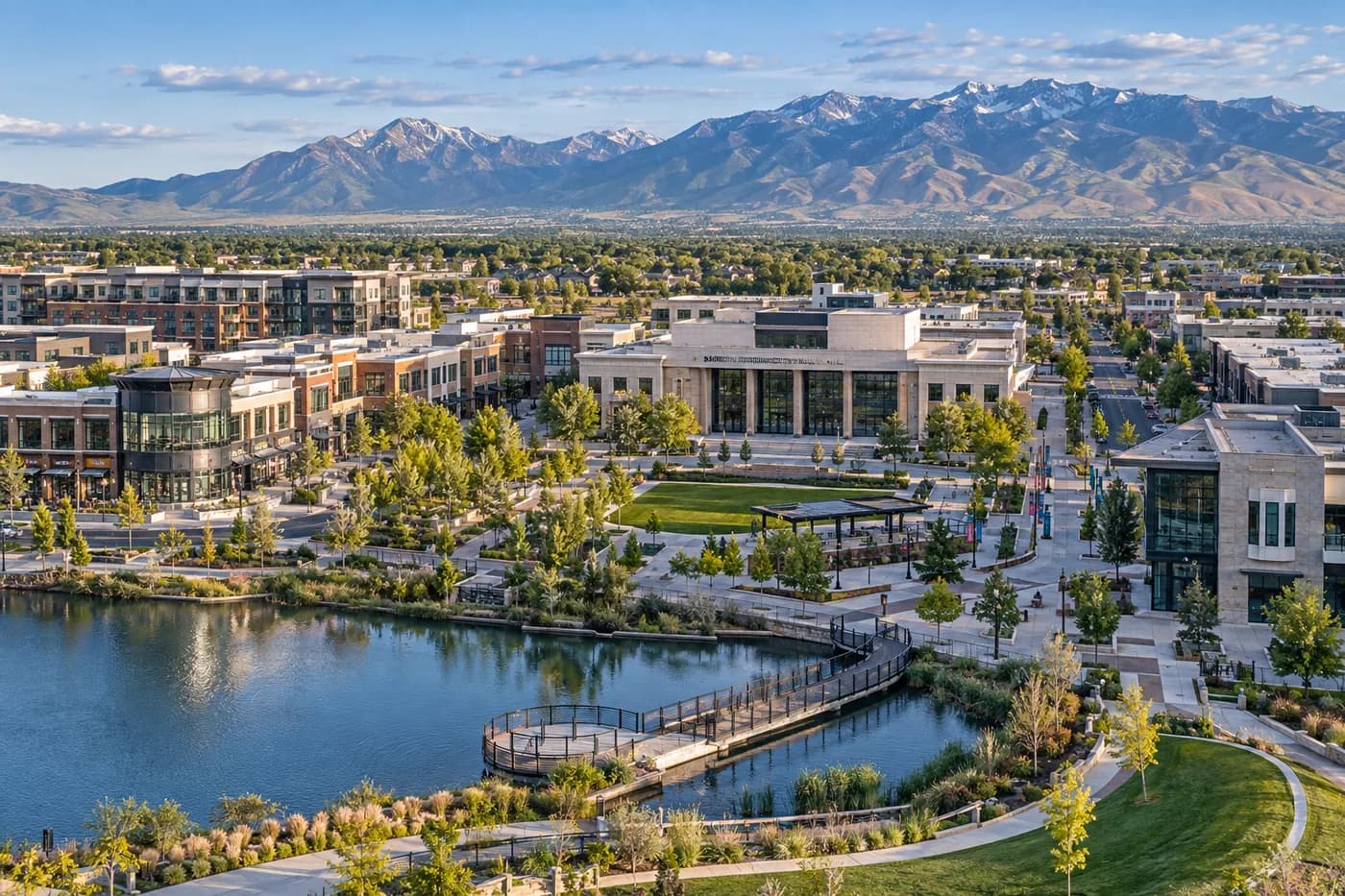
Semi-Arid Continental · suburban setting
Read the local guide →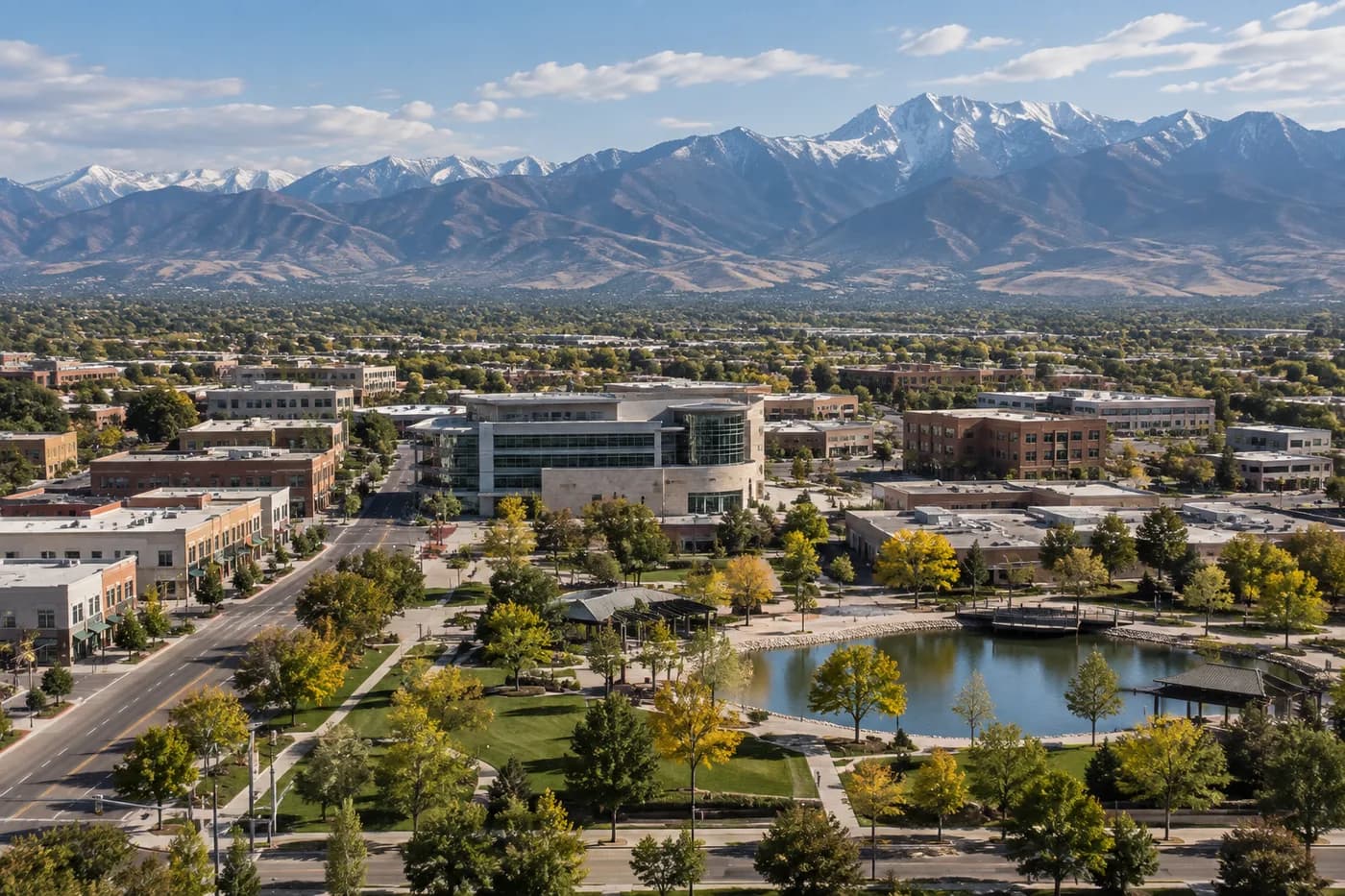
Semi-Arid Continental · urban setting
Read the local guide →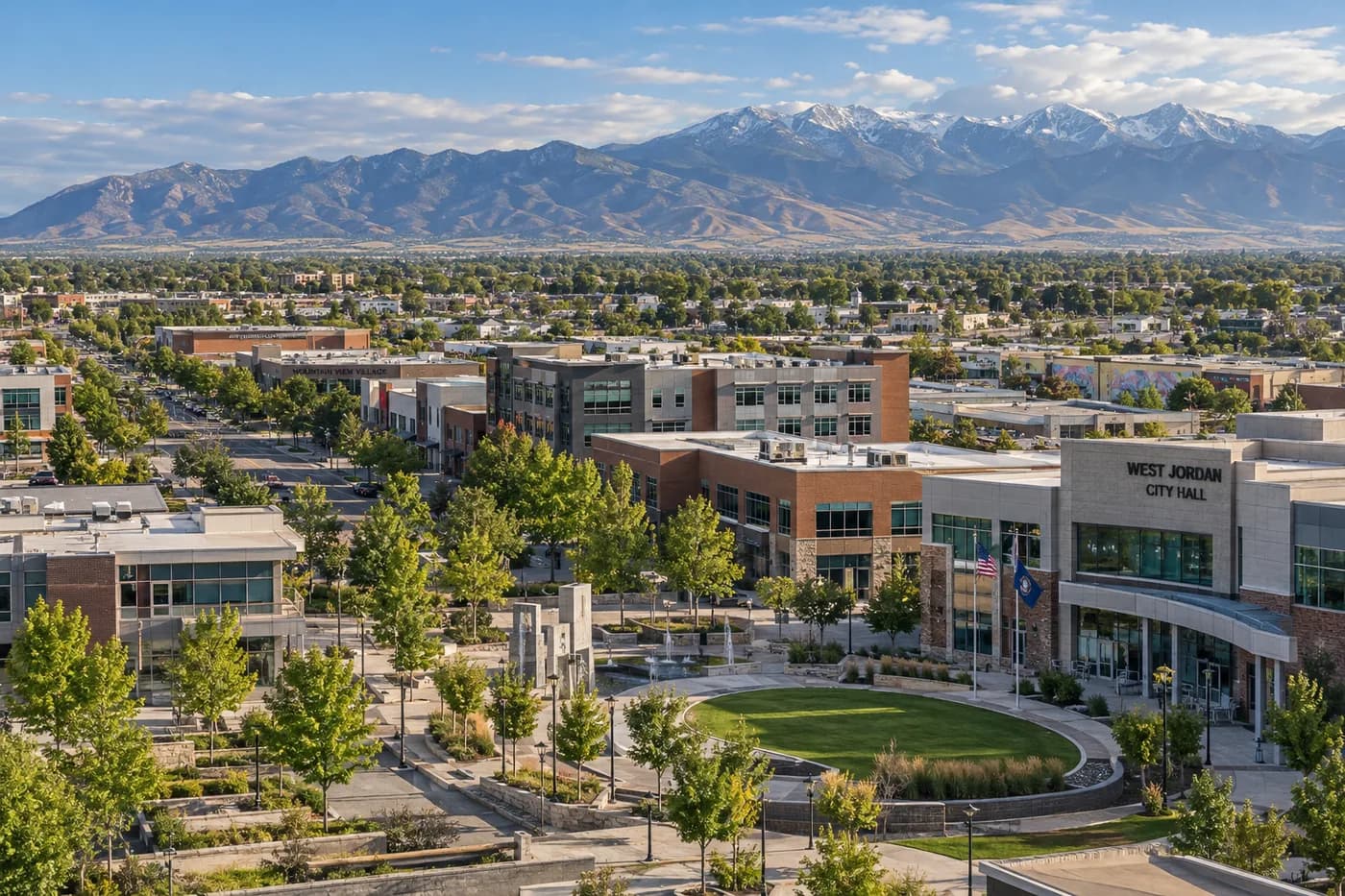
Semi-Arid Continental · suburban setting
Read the local guide →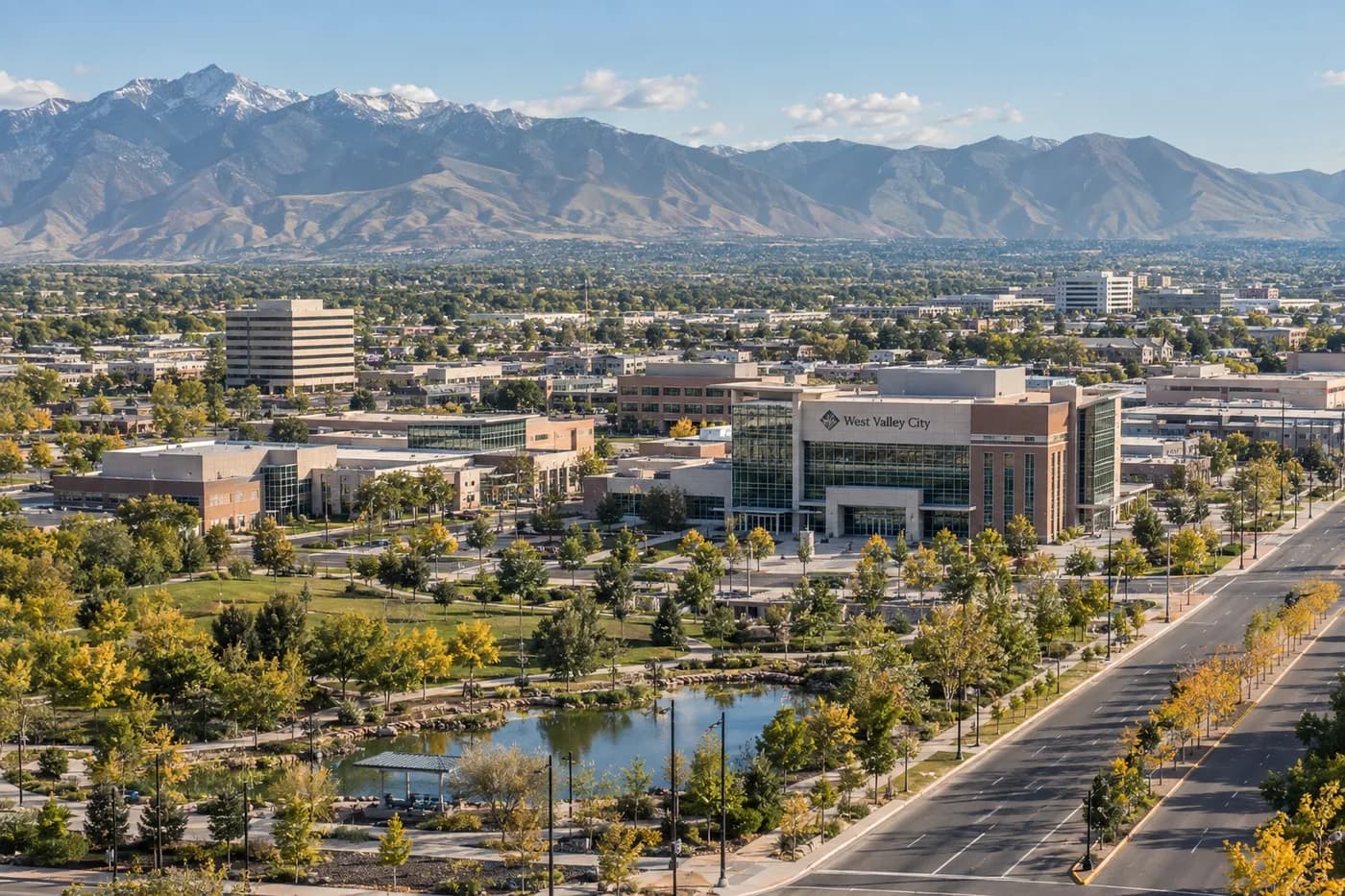
Semi-Arid Continental · suburban setting
Read the local guide →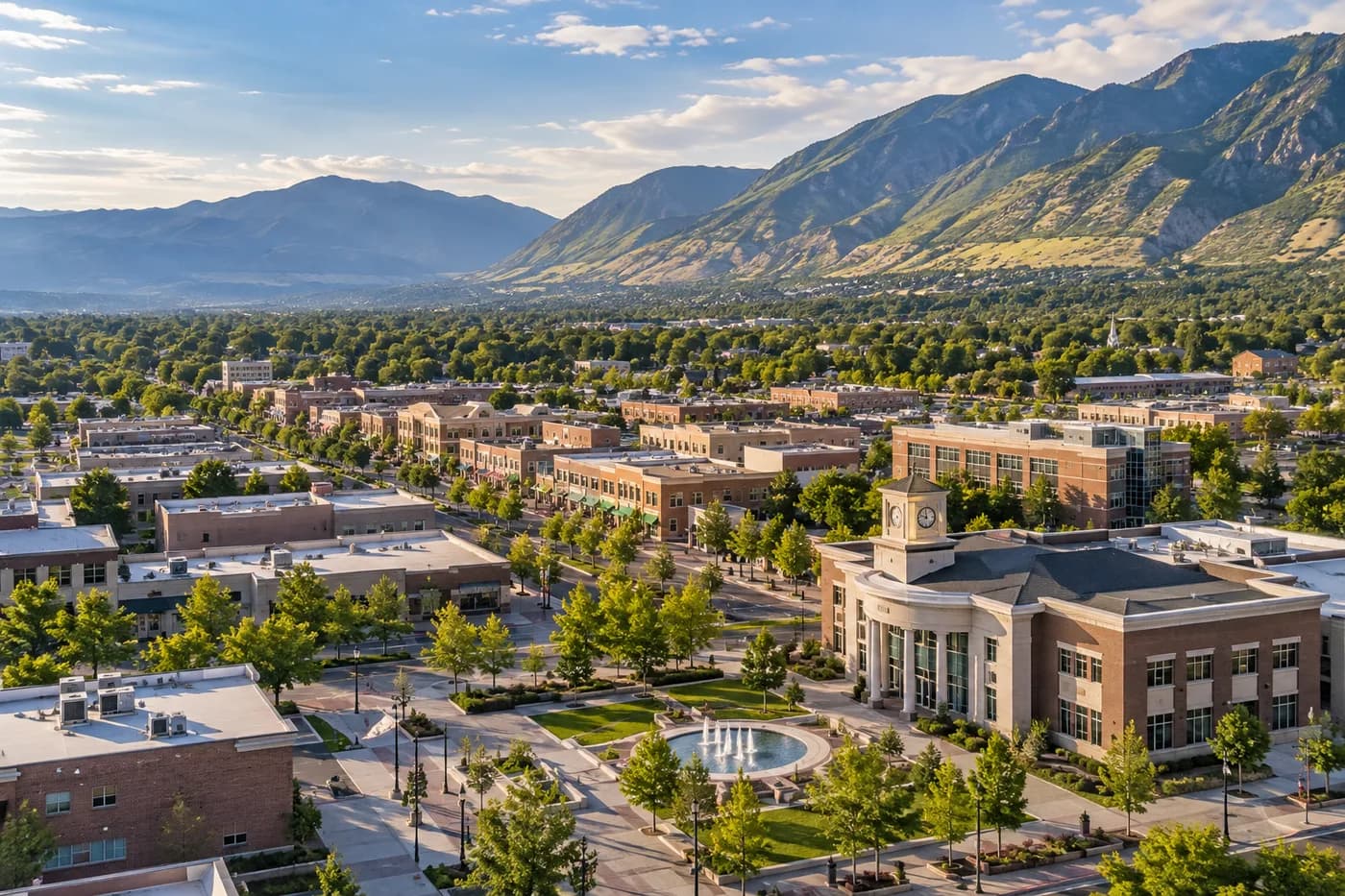
Semi-Arid Continental · suburban setting
Read the local guide →